- Who We Are
-
What We Do
- Helping Children
- Strengthening Families
- Building Community
- Get Involved
Share


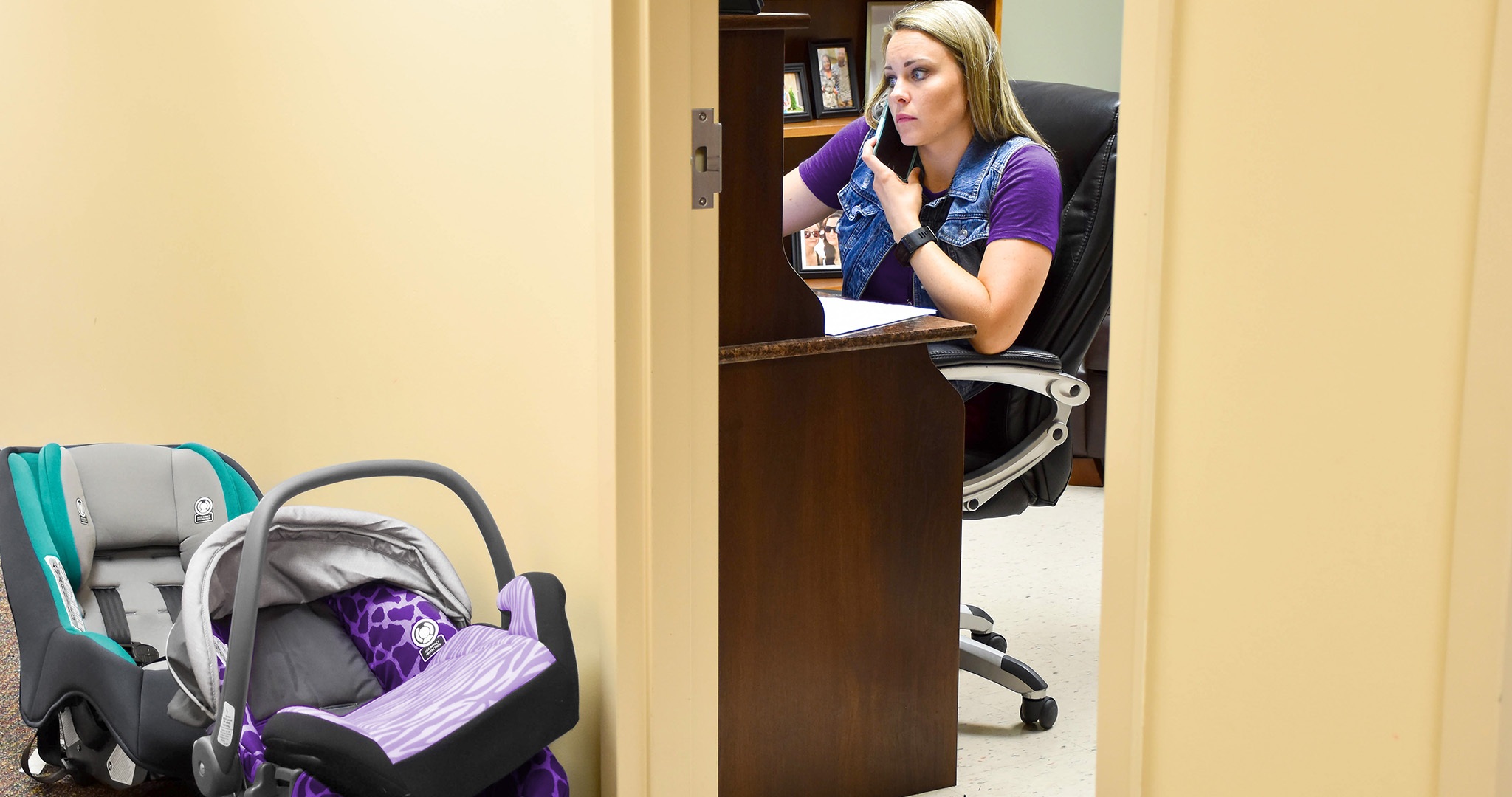
“We need a placement for six kids.”
Katie, a member of the PCHAS foster care staff in Springfield, Missouri, was just finishing some case notes in her office and was looking forward to heading home for the day when her phone rang. The caller was from Children’s Division, the government entity responsible for the administration of child welfare services in Missouri. He told Katie, “The youngest is a baby and the eldest is 14. The police took them from their parents and the children are waiting here at our office for a place to stay tonight. Can you find them a family?”
On a normal day, a case manager may have one new child to house before nightfall. Six siblings?
“We’ll make some calls,” Katie answered. She noted the children’s ages on a piece of paper and quickly began walking down the hall, calling to staff as she walked by their offices. PCHAS is always “on call” for placements, and staff are prepared to drop everything at a moment’s notice. A few minutes lost can make the difference between a child sleeping soundly in a safe home or spending the night in an office with strangers.
Katie, her supervisor Kelly, and fellow case manager Michael huddled in the hallway to make a game plan. Kelly would meet the children at the Children’s Division office (a representative had to be there within an hour of receiving the call). Katie would phone to find a family (or families) to take the children. Michael would begin gathering clothes, backpacks and other supplies for the children and their new caregivers.
Katie made several calls, hitting wall after wall. No one she called had any open homes. Many families aren’t licensed to care for that many children at once, so large sibling groups are often difficult to place. The Resource Center, typically a last resort location, could only take two children. It looked like the only option would be to split the siblings up.
Then, Katie got a call.
The children’s grandmother lived in Jefferson City, three hours away, but she was willing to take them all. Even though this meant much more coordination and time to transport the children, it was a better outcome, as a safe placement with a family member or family friend is always preferred.
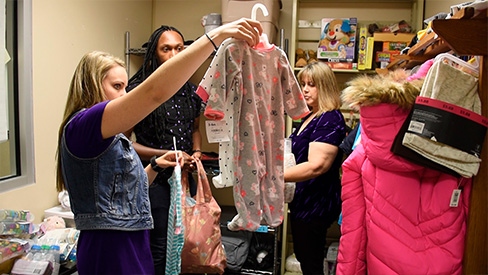
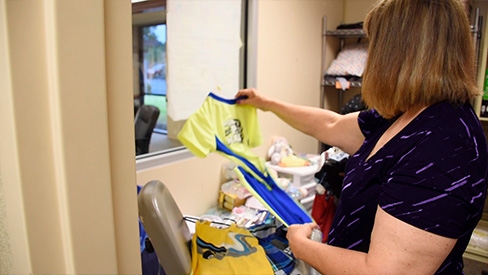
In a closet down the hall, Michael pulled six backpacks, each holding a toothbrush, a comb, a stuffed animal and a few nonperishable snacks. He added clean socks, underwear, t-shirts and pants for the children, as well as diapers and pull-ups. He knew it wouldn’t be enough for several days, but it would take care of tonight. Melanie, the administrative assistant, joined Michael, packing coloring books and a toy for the younger boys, ages five, three and two. In the bags for the 14- and 11-year-old girls, she added a book and blankets. Once the backpacks were ready, they were lined up on the conference table.
It was time to work out the logistics of getting the children to their grandmother’s house. Four of the six needed a car seat, so the team needed to find two cars. Because Kelly had missed lunch that day, Michael ordered her a quick bite before she had to get on the road. Katie ran home to grab some clothes for her trip. She would stay overnight in Jefferson City so she could be available to the family the next day.
That night, the children were transported to their grandmother’s home, along with their backpacks stuffed with supplies. Each was able to sleep in a familiar, safe bed that night.
“It was a crazy day,” Kelly remembers, “but doing the right thing felt amazing. Those children were really relieved to see their grandmother.”
To learn how you can become a foster parent or volunteer to ensure children in need receive this level of immediate love and support, visit pchas.org/get-involved.

 View All